Sewing for Beginners: Complete Guide to Getting Started (2025)
Getting started sewing for beginners can feel overwhelming. With so many tools, techniques, and conflicting advice out there, it's hard to know where to begin. But here's the truth: sewing is easier than you think, and you can create impressive, wearable garments much sooner than you'd expect.
This sewing for beginners supply list focuses only on what you truly need to get started. We'll cover choosing your first sewing machine, essential supplies, basic skills, your first project (a simple fabric coaster), and proven tips to set you up for success. Most importantly, you'll discover how to move from simple projects to sewing actual clothes—even as a complete beginner.
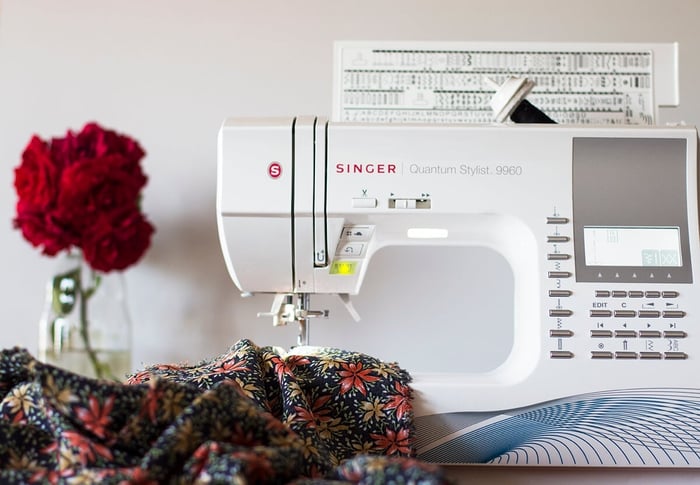
What You Need to Start Sewing
Before you can start creating, you need the right tools. Before diving into sewing for beginners projects, let's cover the essential tools you'll need. Don't worry—you don't need to spend a fortune. Here's exactly what you need to begin your sewing journey.
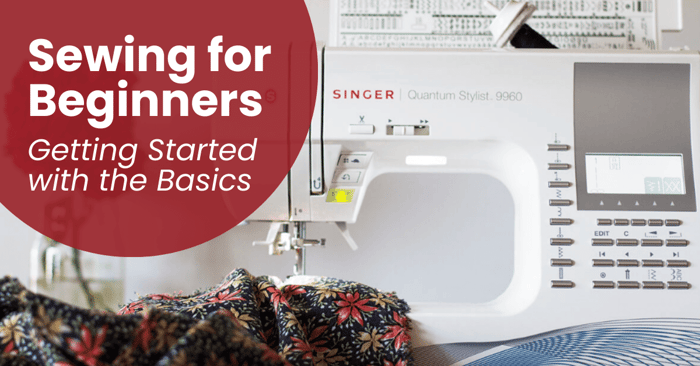
Choosing Your First Sewing Machine (Best Options Under $300)
Getting your first sewing machine is exciting but can feel like a huge decision. Choosing the right machine is one of the most important sewing for beginners decisions you'll make. With so many brands, features, and price points, how do you choose?
Here's the good news: you don't need an expensive machine to start. Good beginner-friendly sewing machines cost between $150 and $300 and will serve you well for years.
Look for these essential features:
- Basic stitch options: Straight stitch and zigzag are all you really need to start
- Adjustable stitch length and width: Gives you control over your sewing
- Automatic needle threader: Saves frustration (trust us on this!)
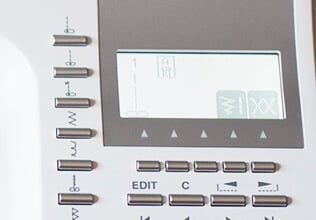
- Good LED light: Essential for seeing your work clearly
- Speed control function: Lets you sew slowly while building confidence
Pro tip: Visit local sewing machine dealers to test different models. What feels comfortable to one person might not work for another. Many dealers also offer free classes when you purchase a machine, which is valuable for beginners.
Essential Sewing Supplies for Beginners
Once you have your machine, you'll need a few basic tools. Here's your starter kit. This sewing for beginners supply list focuses only on what you truly need to get started:
 The 8 essentials:
- Fabric scissors – Invest in good shears and use them ONLY for fabric (paper will dull them)
- Seam ripper – Your best friend for fixing mistakes (everyone makes them!)
- Pins and pincushion – For holding fabric pieces together before sewing
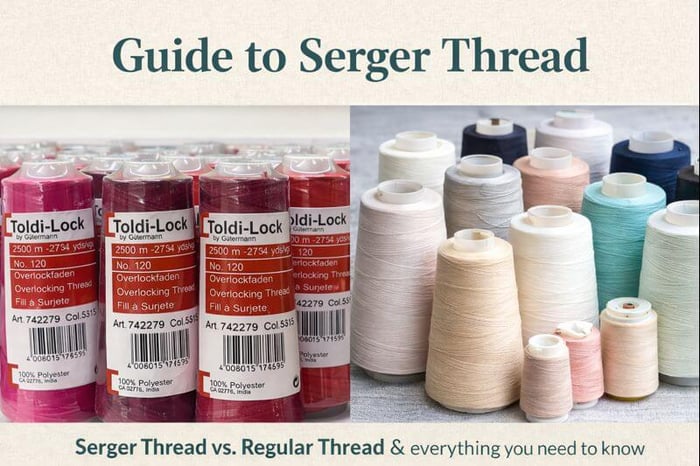
- Quality needles and thread – Match your thread weight to your fabric
- Measuring tape – Essential for accurate cutting
- Fabric marking tools – Chalk or water-soluble markers for pattern markings
- Iron and ironing board – Pressing is half of good sewing
- Fabric – Start with quilting cotton (more on this below)
As you progress, you'll add specialty items like buttons, zippers, elastic, and bias binding for specific projects. But this starter kit will get you through your first several projects.
How to Learn to Sew: Step-by-Step
Now that you have your tools, it's time to learn how to use them. Here's how to build your skills systematically.
Understanding Your Sewing Machine
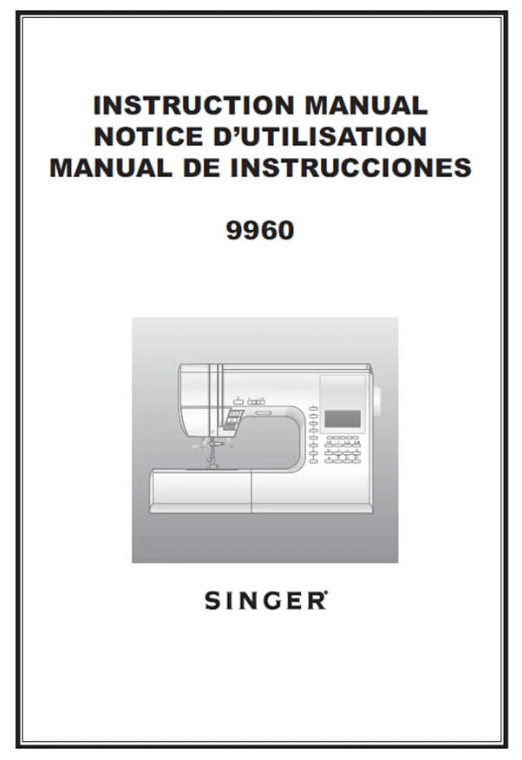
Your sewing machine manual is your most important learning tool. Every machine is different, so even if you watch YouTube tutorials, you'll need your specific manual to understand:
- How to thread your machine (the most common frustration point!)
- How to wind and insert the bobbin
- How to adjust stitch length and width
- Maintenance schedules and oiling requirements
- Tension adjustments
Set aside 30 minutes to sit with your machine and manual. Thread and rethread it several times until it becomes second nature. Practice makes this easier!
How to Learn: Online vs. In-Person Sewing Classes
You have two main options for learning, and each has advantages. Most sewing for beginners tutorials recommend starting with online free resources before investing in classes
Choose online learning if you:
- Need flexible scheduling
- Want to learn at your own pace
- Prefer learning from multiple sources
- Have budget constraints (tons of free content available)
Choose in-person classes if you:
- Want immediate feedback on your technique
- Enjoy learning in a group setting
- Need hands-on guidance
- Don't have access to a machine at home
Our recommendation: Start with free online resources (YouTube, sewing blogs) to learn basic skills. Then consider an in-person class when you're ready to tackle more advanced techniques like pattern adjustments or garment fitting.
Basic Sewing Skills Every Beginner Needs to Master
Before you start your first project, practice these fundamental skills:
1. Learn to thread your sewing machine according to the brand's manual.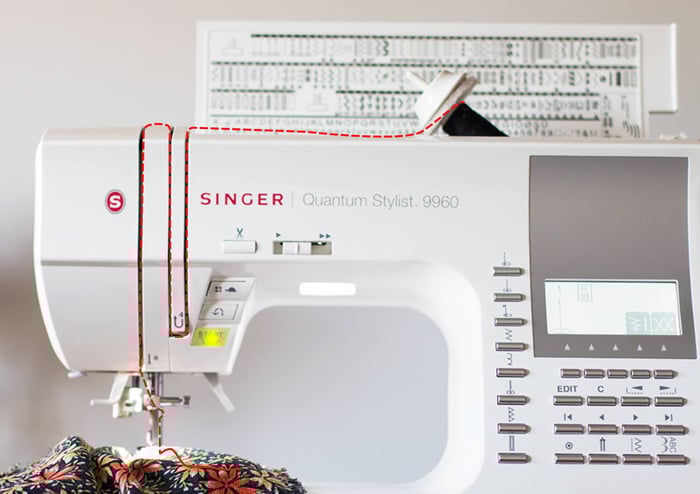
2. Spend more time getting to know your sewing machine. Does it require oiling, and if yes, how often do cleaning and maintenance schedules occur?
3. Preparing, cutting, and marking the fabric. Always wash and iron if necessary, before cutting the fabric. Using pins or fabric weights helps to keep the pattern pieces in place.
4. Marking the pattern pieces on the other side helps you to sew the garment accurately.
5. Before actually sewing seams, it’s desirable to practice straight, turning corners, and curved stitching on paper or fabric. Start with a speed you’re comfortable with, keep your hands relaxed, and guide the fabric straight, avoiding pulling it or forcing it through the machine.
6. Do your research on basic fabric types and how they behave (for example, cotton and knits).
7. Prewash fabrics to eliminate chemicals and dyes added to the yarn during manufacturing, as well as to manage shrinkage, as all fabrics have some degree of shrinkage. 
Depending on your way of learning, choose between going to a sewing class, watching YouTube videos, or consulting sewing books. Taking a class may not be viable for everyone, but if you have the time and the resources, just a few hours can really help towards the first steps in sewing.
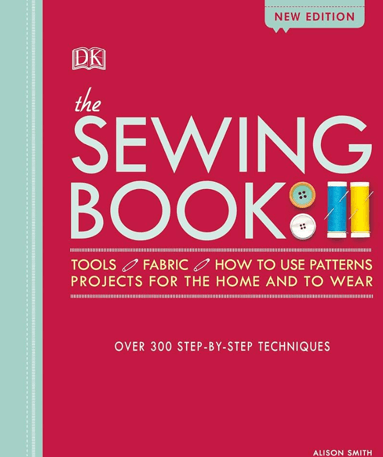
Among the many sewing books for beginners, we recommend Alison Smith’s book, which in detail explains the basic tools, notions, sewing techniques, and many more complex methods that can be put into use in the future.
Best Fabrics for Beginners (and Which to Avoid)
[IMAGE 7 - Fabric washing/prewashing goes here]
Not all fabrics are created equal when you're learning to sew. Here's what you need to know:
Best fabrics for beginners:
- Quilting cotton – Medium weight, doesn't stretch, easy to handle
- Cotton broadcloth – Slightly lighter weight, great for simple garments
- Linen or linen blends – Wrinkles easily but very forgiving for beginners
- Cotton chambray – Behaves like quilting cotton but looks more polished
Fabrics to avoid until you have more experience:
- Slippery fabrics (satin, rayon, silk)
- Very stretchy knits
- Anything sheer or delicate
- Heavyweight denim or canvas
Why prewashing matters: All fabrics shrink to some degree. Prewashing before you cut prevents your finished garment from shrinking the first time you wash it. It also removes chemical treatments and excess dye.
Pro tip: When you're ready to try garment sewing, look for beginner-friendly PDF sewing patterns (https://peekaboopatternshop.com/sewing-patterns-for-beginners/) that specify "easy woven fabrics" or "quilting cotton." These are designed with beginners in mind. Need fabric? Browse our fabric selection (https://peekaboopatternshop.com/fabric) perfect for beginner projects.
Sewing beginner projects
Among endless projects, and patterns, always start with a simple project to help you build skills and learn the basics such as marking the fabric, cutting straight, using pins, and practicing the straight stitch.
Making a fabric coaster is a great example of a useful item that is suitable for your first project. A fabric coaster is essentially two squares that have been sewn together with a layer of fleece added for thickness. In addition to practicing all of the skills mentioned, this project allows you to pivot the fabric and sew some corners.
How to make fabric coaster – A step-by-step Tutorial
Tools and notions:
- Cotton fat quarter
- Simple fleece or batting
- Matching thread
- Pins
- Iron
- Scissors
- Wash, dry, and iron the fabric. Cut as below: 1 front fabric piece 5” x 5” 1 back fabric piece 5” x 5”
1 fusible fleece piece 5” x 5”
- Lay down the front fabric piece with the right side up.

- Next, lay the back fabric piece with the right side down. Finally, top it with a piece of batting.
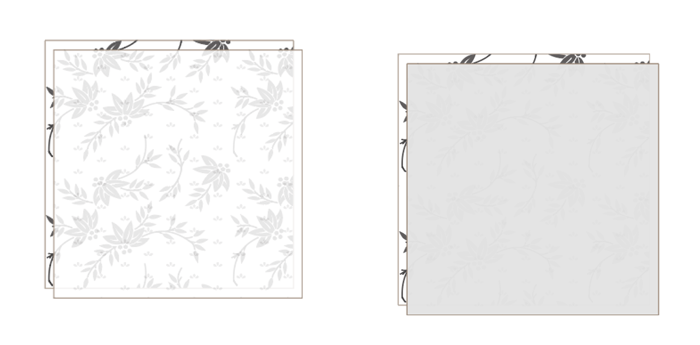
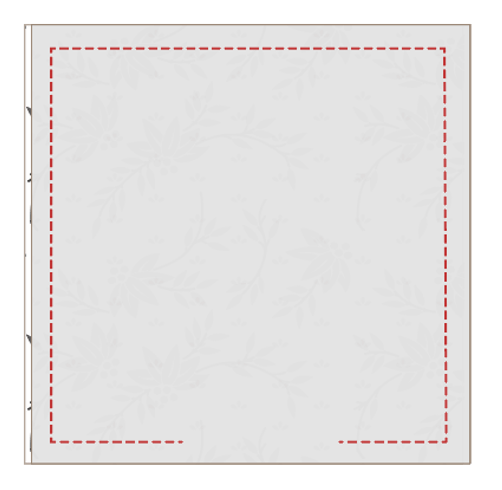
- Pin the fabric layers together. Next, sew around the stack, using a 3/8 inch seam allowance, and leave a 1.5-inch opening on one of the sides for turning the coaster on the right side.

- Trim all four corners and press.

- Use the opening to turn the coaster on the right side with the help of a pointy tool to make the corners flat and crisp. Press again.
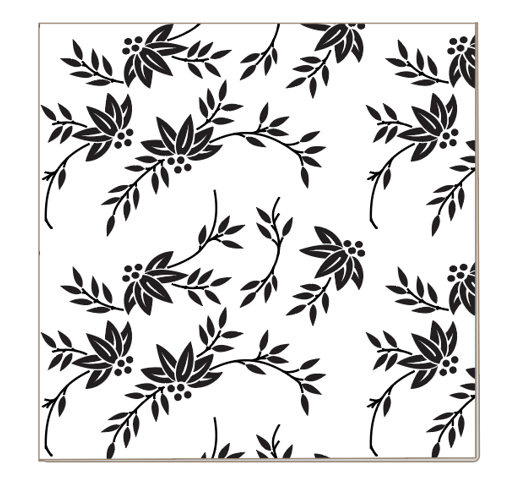
- Edgestitch 1/4- 1/8″ from the edge of the entire coaster. This step closes the hole opening and gives the coaster an extra decorative stitch.


10 Essential Beginner Sewing Tips for Success
These proven tips will help you avoid common frustrations and improve your results from day one:
- Let the machine do the workDon't push or pull the fabric through the needle. Simply guide it gently and keep it straight as the feed dogs move it through. Forcing fabric causes uneven stitches and puckering.
- Press as you goUse your iron after every seam. Pressing sets the stitches and shapes the seams properly. This one step makes the biggest difference between homemade-looking and professional-looking projects.
- Keep your seam ripper handyEvery sewer—even experts—uses their seam ripper regularly. It's designed to remove stitches cleanly without damaging fabric. Don't feel bad about unpicking mistakes; it's part of the learning process.
- Maintain your machine regularlyConsult your manual for cleaning and oiling schedules. A well-maintained machine prevents thread jams, skipped stitches, and frustration.
- Use the right needle for your fabricUniversal needles work for quilting cotton, linen, and cotton blends. Knit fabrics require ballpoint needles. Denim needs sharp, heavy-duty needles. Using the wrong needle causes skipped stitches and can damage your fabric.
- Change needles regularlyDull needles cause skipped stitches, thread breaks, and pulls in fabric. Change your needle after every 8-10 hours of sewing or when starting a new project.
- Always turn off your machine when changing needles or cleaningSafety first! This simple habit prevents accidents.
- Start with forgiving fabricsAvoid slippery, stretchy, or delicate fabrics until you're comfortable with your machine. Quilting cotton is your friend.
- Don't rush the processSewing well takes time. Follow each step carefully instead of racing to the finish. Quality work requires patience.
- Compare yourself to your past self, not othersSocial media is full of expert sewers showing their best work. Don't be discouraged! Focus on how much you've improved since you started. Every expert was once a beginner.
Common Beginner Sewing Mistakes (and How to Avoid Them)
Learning from others' mistakes is smart. Here are the most common pitfalls beginners face:
Skipping the prewashing stepThis leads to garments that shrink after the first wash. Always prewash your fabric unless it specifically says "no prewash needed."
Not reading the entire pattern before startingRead through all instructions first to understand what's coming. This prevents surprises and helps you prepare properly.
Choosing patterns that are too advancedIt's tempting to start with that gorgeous fitted dress, but beginning with simpler projects builds skills and confidence. Look for patterns specifically marked "beginner" or "easy."
Using cheap or old threadBargain thread breaks easily and creates frustration. Invest in quality thread—it's not expensive and makes a huge difference.
Forgetting to backstitchAlways backstitch at the beginning and end of seams (reverse for a few stitches) to lock the thread. Without this, seams will come undone.
Not testing on scrap fabric firstBefore sewing your project, test your stitch length, tension, and technique on scrap fabric. This five-minute test prevents mistakes on your real fabric.
What Should Beginners Sew Next? Easy Clothing Projects
After mastering basic techniques with projects like coasters and pillowcases, you're ready for the exciting part—sewing actual clothes!
Many beginners don't realize how quickly they can progress to garment sewing. The truth is, if you can sew a straight seam and follow instructions, you can make wearable clothing.
Best First Garments for Beginners:
1. Elastic Waist Pants or Pajama BottomsThese use straight seams and an elastic waistband (no zipper or buttons). Pajama patterns (https://peekaboopatternshop.com/pajama-patterns/) are perfect first garments—comfortable, forgiving, and surprisingly impressive.
2. Simple Pull-On SkirtsAn elastic waist skirt is essentially a rectangle with an elastic casing. Quick to make and actually wearable! Browse skirt patterns (https://peekaboopatternshop.com/skirt-patterns/) perfect for beginners.
3. Basic Pull-Over TopsLook for beginner top patterns (https://peekaboopatternshop.com/shirt-patterns/) without buttons or zippers. Many have just a few pattern pieces and come together quickly.
4. Loose-Fitting DressesSimple dress patterns (https://peekaboopatternshop.com/dress-patterns/) with elastic waists or loose fits are surprisingly easy and look professional when finished.
What Makes Peekaboo Pattern Shop Perfect for Beginners?
Our beginner-friendly patterns (https://peekaboopatternshop.com/sewing-patterns-for-beginners/) are specifically designed to build your confidence:
- Crystal-clear instructions with detailed illustrations—no guessing
- PDF format means instant download, print at home, start today
- Size-inclusive range so everyone can sew for themselves
- Affordable pricing at $9.95 so you can try multiple patterns without breaking the bank
- Impressive results that look far more difficult than they actually are
Many customers tell us they're shocked at what they can create as beginners. That's exactly what we design for.
Browse Beginner Patterns: https://peekaboopatternshop.com/sewing-patterns-for-beginners/
Featured Beginner Patterns:
Bear Hug Wrap Romper (https://peekaboopatternshop.com/bear-hug-wrap-romper/)
- Skill Level: Beginner | Price: $9.95
- Perfect first garment! Features a wrap design with simple snaps for easy diaper changes. Includes short and long sleeve options with optional footies. Great for learning garment construction basics.
- Sizes: Preemie - 24 months
Kid's Saturday Sweatshirt (https://peekaboopatternshop.com/kids-saturday-sweatshirt/)
- Skill Level: Beginner | Price: $9.95
- Cozy and comfortable! Features drop shoulders for easy fitting. Includes hood or neckband options, optional pocket, and can be sewn as a crop, full-length pullover, or dress.
- Sizes: 3 months - 12 years
Not sure where to start? Here are our most popular beginner-friendly categories:
- Women's patterns for beginners (https://peekaboopatternshop.com/sewing-patterns-for-women/) - Comfortable, wearable styles
- Kids' patterns for beginners (https://peekaboopatternshop.com/sewing-patterns-for-kids) - Quick projects, impressive results
- Pants patterns (https://peekaboopatternshop.com/pants-patterns/) - Elastic waist options perfect for beginners
- Baby patterns (https://peekaboopatternshop.com/baby-sewing-patterns/) - Small and sweet first garments
Final Thoughts: Your Sewing Journey Starts Now
Learning to sew opens up a world of creativity, self-expression, and practical skills. You'll be able to mend clothes, create custom pieces that actually fit your body, and make thoughtful handmade gifts.
The key is starting simple and building systematically. Master basic techniques with small projects like the coaster tutorial in this guide. Then progress to easy garments with beginner-friendly patterns designed for your skill level.
Remember: every expert sewer started exactly where you are now. The difference between a beginner and an experienced sewer is simply practice and patience.
Your Next Steps:
- ✓ Set up your sewing space with essential supplies
- ✓ Practice basic skills on scrap fabric
- ✓ Complete your first project (that coaster!)
- ✓ Choose your first beginner-friendly clothing pattern
- ✓ Join a sewing community for support and inspiration
Ready to sew your first garment? Browse our collection of beginner-friendly patterns designed specifically for new sewers. Clear instructions, impressive results, instant PDF download!
Shop Beginner Patterns: https://peekaboopatternshop.com/sewing-patterns-for-beginners/Join Our Facebook Group: https://www.facebook.com/groups/peekaboopatternshop
FAQs
Learning to Sew
Frequently Asked Questions About Learning to Sew
Q: What sewing machine is best for beginners?
A: Good beginner-friendly sewing machines cost between $150 and $300. Look for these essential features: basic stitch options (straight stitch and zigzag), adjustable stitch length and width, automatic needle threader, good LED light, and speed control function. Visit local dealers to test models and find what feels comfortable for you.
Q: What supplies do I need to start sewing?
A: Essential sewing supplies for beginners include: fabric scissors, seam ripper, pins and pincushion, quality needles and thread, measuring tape, fabric marking tools (chalk or water-soluble markers), iron and ironing board, and fabric. Your total startup cost including machine and supplies will typically run $210-$450.
Q: What fabric is best for beginners to sew with?
A: Quilting cotton is the best fabric for beginners. It's medium weight, doesn't stretch, and is easy to handle. Other good beginner fabrics include cotton broadcloth, linen or linen blends, and cotton chambray. Avoid slippery fabrics (satin, rayon, silk), very stretchy knits, sheer fabrics, and heavyweight materials until you have more experience.
Q: What should a beginner sew first?
A: Beginners should start with simple projects like fabric coasters, pillowcases, or tote bags to practice straight seams and basic techniques. These projects teach essential skills like sewing straight, turning corners, and understanding seam allowances. After mastering these basics, progress to easy garments like elastic waist pants, simple pull-on tops, or basic skirts using beginner-friendly sewing patterns.
Q: How long does it take to learn to sew?
A: You can learn basic sewing skills in just a few hours and complete your first simple project in an afternoon. Most beginners can sew their first garment within 1-2 weeks of starting. However, sewing is a skill that continues to develop over time. With consistent practice, you'll see significant improvement within the first few months.
Q: Can I learn to sew without taking classes?
A: Yes! Many people successfully teach themselves to sew using online tutorials, YouTube videos, sewing blogs, and pattern instructions. The key is starting with beginner-friendly projects and patterns with clear, detailed instructions. However, an in-person class can be helpful when you're ready to learn advanced techniques like garment fitting.
Q: Do I need to prewash fabric before sewing?
A: Yes, always prewash your fabric before cutting (unless it specifically says "no prewash needed"). All fabrics shrink to some degree, and prewashing prevents your finished garment from shrinking after the first wash. It also removes chemical treatments and excess dye from the manufacturing process.
Q: What's the easiest clothing item for beginners to sew?
A: Elastic waist pants or pajama bottoms are the easiest garments for beginners because they use only straight seams and an elastic waistband (no zippers or buttons required). Simple pull-on skirts and basic tops without closures are also excellent first garment projects.