Best Serger Thread: Complete Guide for Beginners
Table of Contents
- Serger thread vs. sewing thread: What’s the difference?
- Key Characteristics for Best Serger Thread:
- Types of serger thread
- How Many Threads Does a Serger Use?
- When to use serger thread?
- How do you choose the right serger thread for your sewing project?
- As the thread quality is the key to creating neat and durable serger finishes, define reliable serger thread brands. Some of the high-quality and professional serger thread brands we recommend include Gutermann, Maxi Lock, Coats Clark, and Madeira.
- Why does thread quality matters?
- Serger thread tips
- Find the Best Serger Thread for Your Next Project
- FAQs
Choosing the best serger thread is essential for creating professional seam finishes and ensuring garment durability. While sergers are incredibly versatile tools for finishing raw edges and sewing stretchy fabrics, the quality and type of serger thread you use directly impacts stitch quality, machine performance, and the longevity of your finished projects.
In this comprehensive guide, you'll discover everything you need to know about serger thread types, how to select the best serger thread for different fabrics and projects, top brand recommendations, and expert tips for achieving flawless results. Whether you're new to serging or looking to upgrade your thread selection, understanding these fundamentals will transform your sewing outcomes.
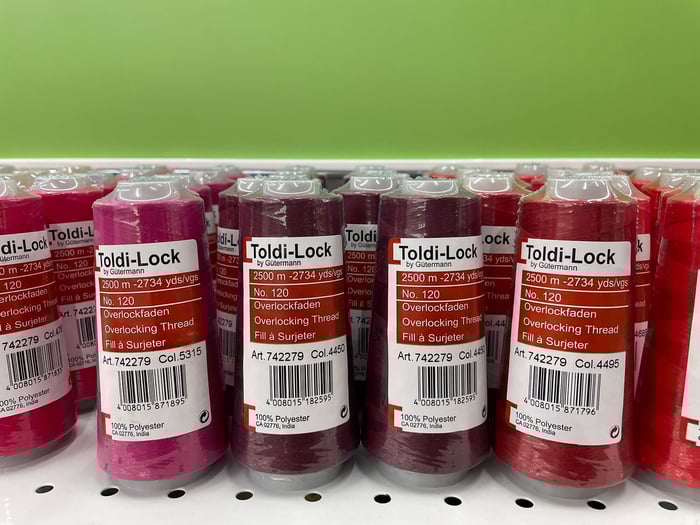
Serger thread vs. sewing thread: What’s the difference?
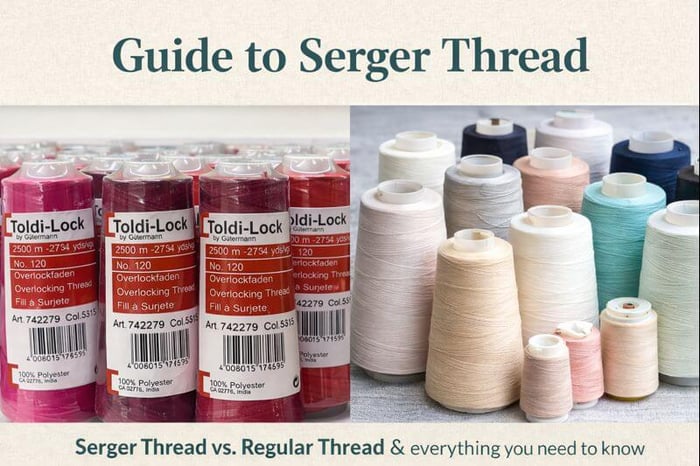
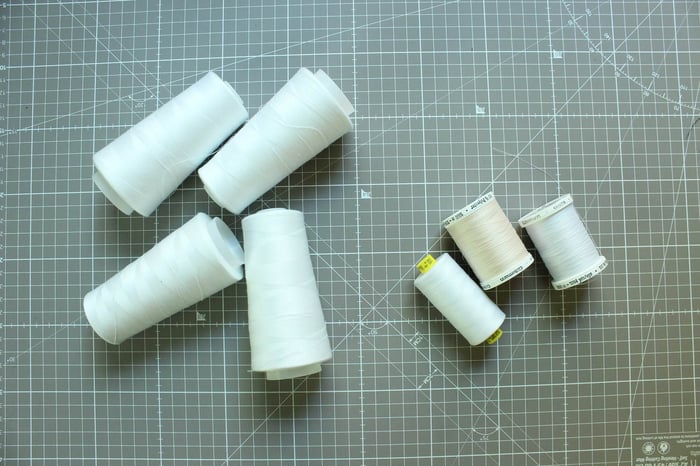
Serger thread is specially designed to be used in high-speed serger machines. Compared to regular threads, serger thread is finer and smoother, especially designed to create light seam finishes that avoid breakage and bulk. In addition, high-quality serger thread needs to be low lint in order to maintain machine performance and avoid clogs that may interfere with stitch quality.
On the other hand, regular sewing thread has its own classification system based on thread weight and is designed for slower speeds. Most of the time, this thread is heavier to provide strength for holding fabric pieces in place.
Key Characteristics for Best Serger Thread:
Feature | Serger Thread | Sewing Thread |
Purpose | Designed for high-speed machines | Design for standard sewing machines |
Weight | Light & fine | Thick & strong |
Yardage | Cones small/large | Small spools |
Fiber | Polyester, nylon | Polyester, cotton, nylon, blends |
Use | Loopers and needles | Top and bobbin thread |
Cost per yard | Low | High |
Appearance | Blends in | Shiny or matte |
Types of serger thread
There are several types of thread that can be used with a serger, depending on the fabric, project, and finish you're aiming for.
1. Polyester Serger Thread
Polyester serger thread is the most commonly used type for both home and industrial sewing. This thread is known to be strong, durable, and resistant to stretching.
Polyester thread works well on most natural and synthetic fabrics but is preferred for seam finishing on woven fabrics. Available in many colors and usually sold on large cones, polyester serger thread has a low cost and is reliable for serging, overlocking, and general sewing projects.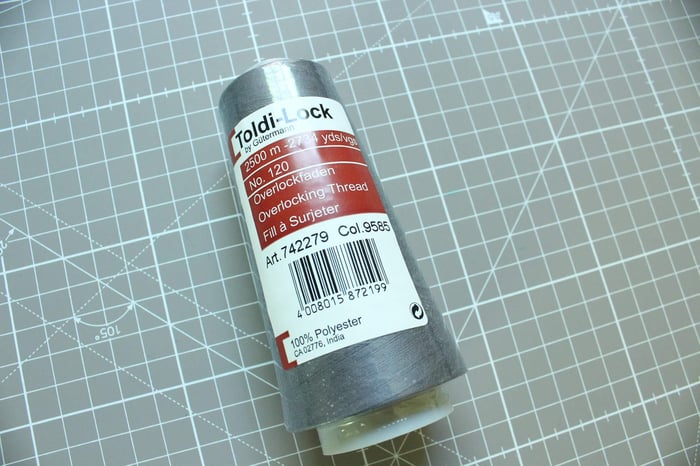
2. Cotton Serger Thread
Cotton serger thread is a natural fiber thread and is most of the time is used on lightweight cotton, silk, and linen garment construction. It has a soft, matte finish and minimal stretch but is less durable than polyester and may break under high tension or heavy use.
Since it’s made from natural fiber produces more lint, and it requires frequent serger cleaning. Even though it does not have wide usage, it’s still an excellent choice for those who use natural fibers on their sewing projects.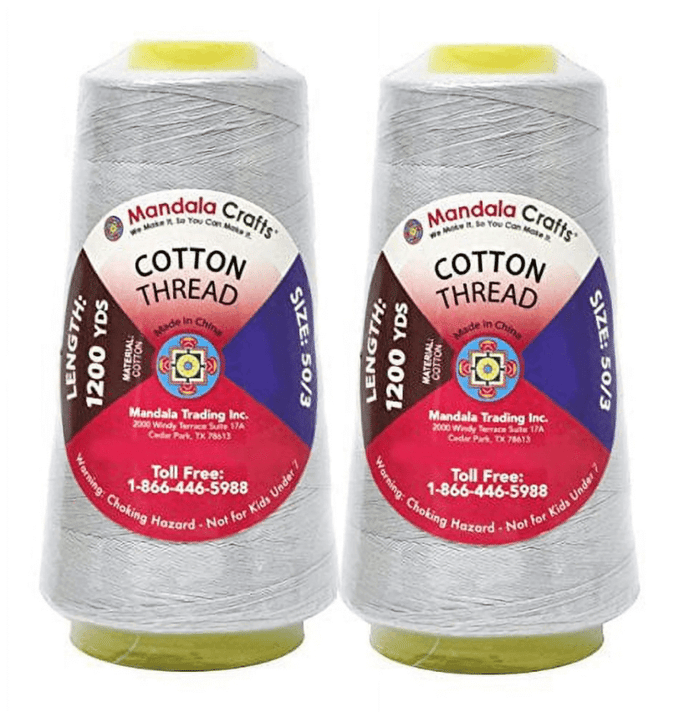
3. Nylon Serger Thread
Key characteristics of nylon serger thread are softness and high flexibility, making it suitable for sewing stretchy fabric garments such as lingerie, swimwear, and activewear. As a result, this thread provides elasticity to the seams, ensuring stretch during movement without breaking.
Nylon can be heat-sensitive, so when pressing seams, the temperature needs to be correct for the thread.
4. Rayon Serger Thread
Rayon serger thread is a specialty thread type used mainly for decorative purposes. This thread has a sheen on it, and it is more vibrant in color. It’s generally used to emphasize exposed seams, decorative rolled hems, and flatlock stitching.
This thread is recommended to be used only in the loopers and combined with a strong thread in the needles.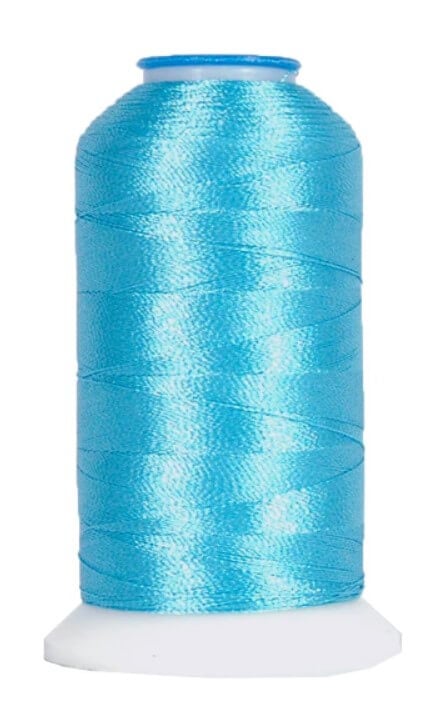
How Many Threads Does a Serger Use?
A serger can use 3, 4, or 5 threads, depending on the machine type, but also the chosen serger stitch. The number of threads affects the strength, stretch, and finish of your seams.
Thread Placement: Most common sergers have two needle threads (require stronger thread due to tension) and upper and lower loppers. More threads provide stronger seams and more versatility, and on the other hand, fewer threads give lighter finishes for delicate fabrics.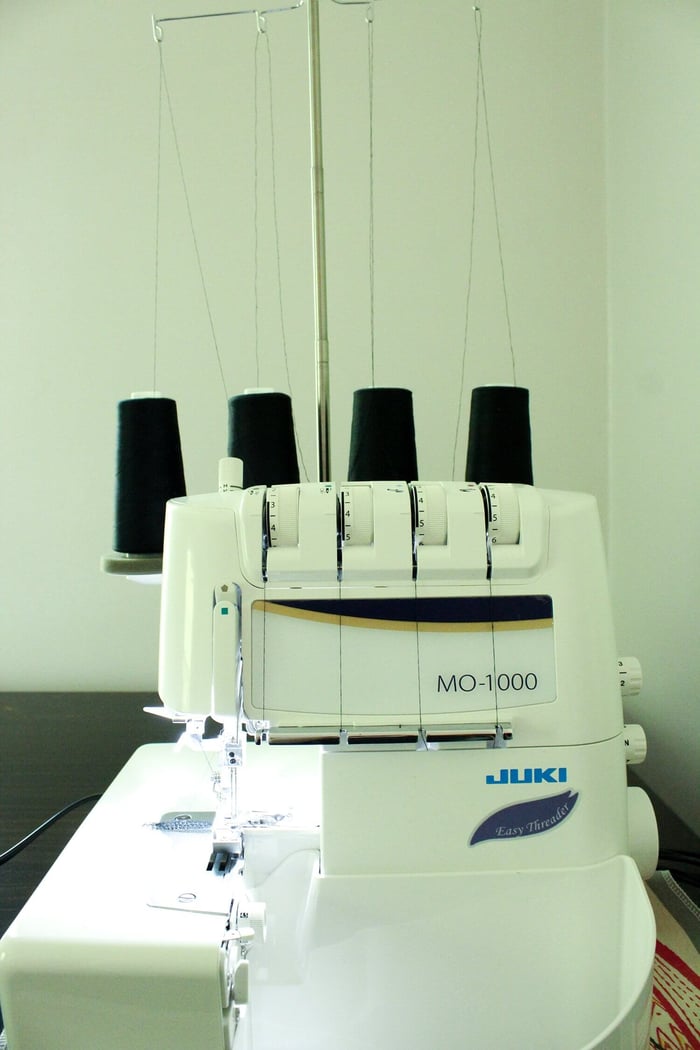
When to use serger thread?
The best serger thread choices depend on your specific project requirements and fabric type. Understanding when to use each thread variety ensures optimal results.
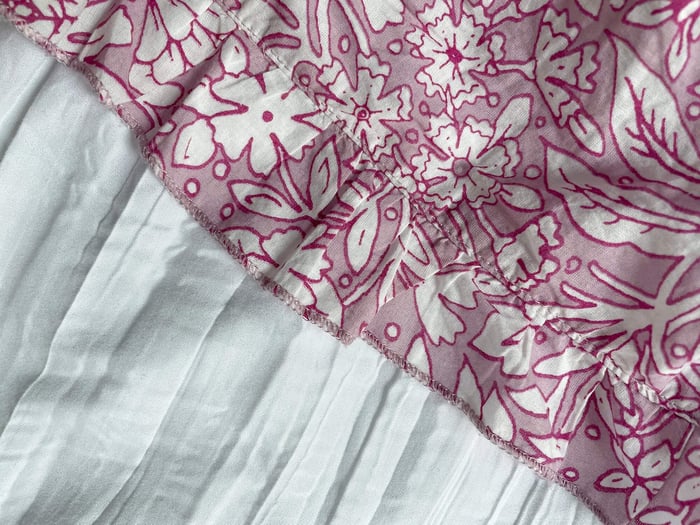
General Seam Finishing: Polyester serger thread excels for finishing raw edges on most woven and knit fabrics. It's the workhorse of serger threads and perfect for everyday garment construction.
Stretchy Fabrics: Nylon serger thread is the best choice for activewear, swimwear, and lingerie where seams need to stretch with the fabric. Its flexibility prevents thread breakage during wear.
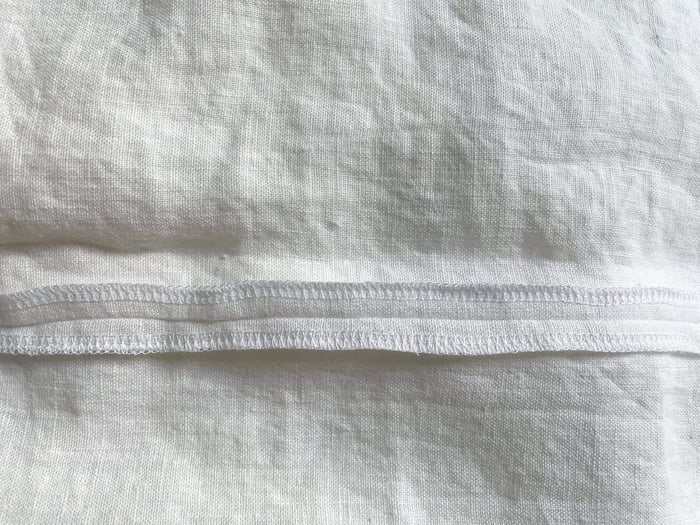
Lightweight Natural Fabrics: Cotton serger thread works beautifully on silk, linen, and lightweight cotton garments where you want a soft, natural finish.
Decorative Edges: Rayon serger thread creates stunning decorative rolled hems, exposed seams, and flatlock stitching with its vibrant sheen and rich colors.
How do you choose the right serger thread for your sewing project?
As the thread quality is the key to creating neat and durable serger finishes, define reliable serger thread brands. Some of the high-quality and professional serger thread brands we recommend include Gutermann, Maxi Lock, Coats Clark, and Madeira.
- Match the fabric choice—when sewing stretchy fabrics such as activewear, always pick nylon; cotton thread for lightweight fabrics such as linen; and polyester thread is versatile for most fabrics due to its strength and flexibility.
- Based on the fabric choice, also consider thread weight. Lighter threads for lightweight fabrics and thicker threads for fabrics such as canvas or denim (Tex 50).
- Define your project needs: Does your garment need long-term strong thread (such as polyester thread), or does it need specialty threads (rayon thread) if topstitching or decorative seams are the main feature?
Why does thread quality matters?
Thread quality matters because it directly affects the durability, appearance, and overall longevity of your sewing projects. Investing in high-quality thread is essential to sew strong and durable stitches, ensure smooth and even stitching, and produce less lint buildup.
At the end of the day, none of us wants to deal with thread tension issues, thread shredding, and breaking, so finding an affordable and qualitative thread brand is a must to ensure the quality of your sewing projects.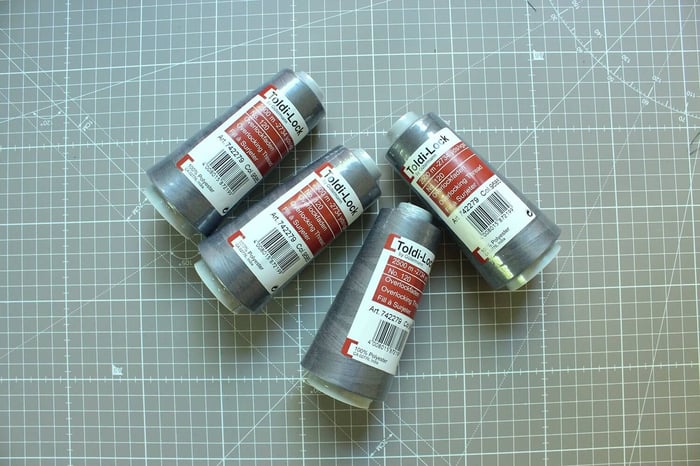
Serger thread tips
- Keep in mind to avoid cheap, no-brand threads since those are the ones that have the lowest quality. High-quality serger thread minimizes breakage and achieves consistent stitches.
- Thread does have a shelf life, so take into consideration that buying thread second-hand might not always be a good idea. Old thread breaks easily, becomes brittle, and may cause quite some lint on your serger machine.
- Do not use serger thread on your sewing machine. It won't give you neat seams, and it will cause lint buildup since it’s made differently.
- Buy the best brand you can afford. Your machine will love it, and your garment will end up looking neat and professional.
- Clean and maintain the serger to ensure correct operation when using different brands of serger thread.
- Practice serging with threads that are color-matched to your machine's tension dials to become familiar with making tension adjustments.
- Similar to sewing machines, change needles frequently on your serger. Dull needles can damage the fabric and create lower-quality stitches.
- To extend the life of the serger thread, store it in a cool, dry place away from direct sunlight.
Find the Best Serger Thread for Your Next Project
Understanding serger thread types and selecting the best serger thread for your specific needs transforms your sewing from amateur to professional quality. While the learning curve may seem steep at first, the difference that quality thread makes in seam strength, appearance, and durability is undeniable.
The key takeaways: invest in reputable brands like Gutermann, Maxi Lock, or Coats & Clark; match your thread type to your fabric (polyester for general use, nylon for stretch, cotton for natural fibers, rayon for decoration); and never compromise on thread quality to save a few dollars. Your serger machine and your finished garments will thank you.
Ready to put your serger skills to work? Browse our knit sewing patterns perfect for serger construction, or explore our collection of beginner sewing patterns that teach fundamental techniques. If you're just getting started with serging, our Sewing for Beginners: Complete Guide covers all the essentials you need.
Expand your serger knowledge with these complementary guides:
- How to Read a Sewing Pattern - Decode pattern instructions with confidence
- Sewing Machine Presser Feet Guide - Master your sewing machine tools
- How to Sew Straight Seams - Build foundational sewing skills
Looking for the perfect fabrics? Check out our selection of quality knit fabrics ideal for serger projects, from stretch jerseys to performance activewear materials. Pairing the best serger thread with quality fabric ensures professional results every time.
Join thousands of sewists in our Peek-a-Boo Pattern Shop Facebook Group where members share their serger tips, troubleshoot threading issues, and showcase their finished projects. Whether you're selecting your first cone of serger thread or perfecting decorative techniques, you'll find a supportive community ready to help.
Happy serging, and may your seams always be strong, smooth, and beautifully finished!
FAQs
Serger Thread FAQ
Frequently Asked Questions About Serger Thread
What is the best serger thread for beginners?
Polyester serger thread is the best choice for beginners because it's versatile, affordable, and works well on most fabrics. Brands like Maxi Lock and Gutermann offer excellent quality at reasonable prices. Polyester thread is forgiving, runs smoothly through sergers, produces minimal lint, and creates strong, durable seams perfect for learning.
Can you use regular sewing thread in a serger?
While technically possible in some cases, regular sewing thread is not recommended for sergers. Regular thread is thicker, produces more lint, creates bulkier seams, and may not feed properly at high serger speeds. Serger thread is specifically designed with a finer weight and smoother finish for optimal performance in serger machines.
What's the difference between 3-thread and 4-thread serger stitches?
A 3-thread serger stitch uses two loopers and one needle, creating a lighter, more flexible seam ideal for lightweight fabrics, rolled hems, and decorative edges. A 4-thread stitch uses two loopers and two needles, producing a stronger, more stable seam perfect for garment construction, heavier fabrics, and seams that need extra durability.
Do I need to match thread colors for all four cones on my serger?
Not always. For standard seam finishing that won't be visible, you can use matching or neutral thread in all positions. However, for the best results on decorative work or contrasting topstitching, match the looper threads to your fabric and use neutral or matching thread in the needles, as needle threads are less visible.
What thread weight is best for sergers?
Most serger thread comes in weights between 40-50 (Tex 27-35), which works for general sewing. Use finer threads (60 weight) for lightweight fabrics like chiffon or silk, and slightly heavier threads (30-35 weight) for thicker materials like denim or canvas. The thread cone or spool will indicate the weight.
Why does my serger thread keep breaking?
Thread breakage typically results from incorrect threading, improper tension settings, old or poor-quality thread, a dull or damaged needle, or thread catching on the cone. Check your threading path carefully, ensure tensions aren't too tight, use fresh quality thread, change your needle regularly, and make sure thread feeds smoothly from the cone.
Is expensive serger thread worth it?
Yes, quality serger thread is worth the investment. Premium brands like Gutermann and Madeira produce less lint, break less frequently, run smoother through your machine, and create better-looking seams. Since serger cones contain 1000+ yards, the cost per project is still low while the quality improvement is significant.
Can you use serger thread on a regular sewing machine?
Serger thread can be used in some sewing machines for basting or gathering, but it's not recommended for construction seams. It's too fine for most sewing machine applications and won't provide the strength needed for regular seams. Always use standard sewing thread for regular machine sewing.
What's the best thread for serging knits?
For serging knit fabrics, polyester serger thread is the best all-around choice because it has slight give without being overly stretchy. For performance fabrics and activewear requiring maximum stretch, wooly nylon thread in the loopers provides excellent flexibility while maintaining seam integrity during movement.
How long does serger thread last?
Properly stored serger thread can last 2-5 years or longer. However, thread quality deteriorates over time, becoming brittle and prone to breakage. Store thread in a cool, dry place away from sunlight and humidity. If thread breaks frequently or feels rough, it's time to replace it regardless of age.
Should I use the same brand of thread in all positions?
While not required, using the same brand helps ensure consistent performance since thread characteristics vary by manufacturer. However, it's perfectly fine to mix brands—just ensure all threads are appropriate weights for your fabric. Many sewists use budget thread in needles and premium thread in loopers for cost savings.
What is wooly nylon thread and when should I use it?
Wooly nylon is a texturized, crimped thread that's soft, stretchy, and fluffy. It's perfect for serging swimwear, lingerie, activewear, and rolled hems on knits because it provides excellent coverage and stretch. Use it in the loopers only, paired with regular serger thread in the needles for strength.
How do I prevent serger thread from tangling on the cone?
Use thread stands or cone holders to position cones correctly, ensure thread paths are clear of obstructions, check that thread isn't catching on the cone edge, and reduce your sewing speed slightly if tangling persists. Thread nets or caps can also help prevent thread from slipping off the cone base.
What's the best serger thread for rolled hems?
For rolled hems, lightweight polyester or rayon serger thread works best. Rayon creates beautiful decorative rolled hems with sheen and vibrant color, while fine polyester (60 weight) produces delicate, nearly invisible rolled hems on lightweight fabrics. Wooly nylon also creates soft, stretchy rolled hems on knits.
Can I use cotton thread in my serger?
Yes, but cotton serger thread requires more maintenance. Cotton produces significantly more lint than polyester, requiring frequent cleaning of your serger. It also breaks more easily under high tension. Reserve cotton thread for special projects using natural fiber fabrics where you want a completely natural fiber construction.