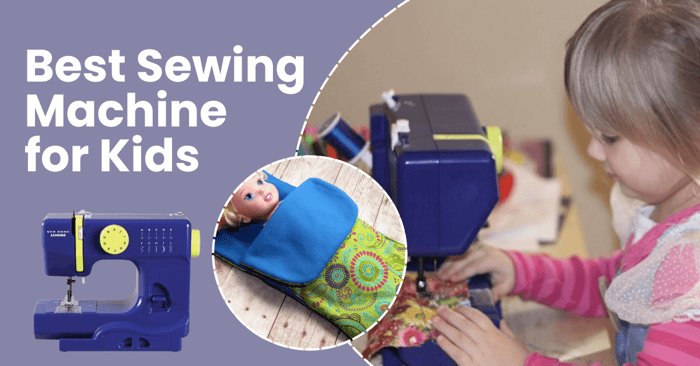
Best Sewing Machine for Kids in 2026 (Top 6 Ranked)
Table of Contents
For Anne's 4th birthday we got her a sewing machine, and I did a lot of research beforehand to find the best sewing machine for kids. It didn't need to be anything fancy with decorative stitches or computerized options — just a portable machine to start building real sewing skills at a young age.
It took me about 5 minutes to rule out the toy machines you find in the toy department. The chain-stitch ones really just don't work, and I wanted to teach my child that sewing is fun and functional — not frustrating. It turns out the best sewing machines for kids aren't usually marketed to kids at all.
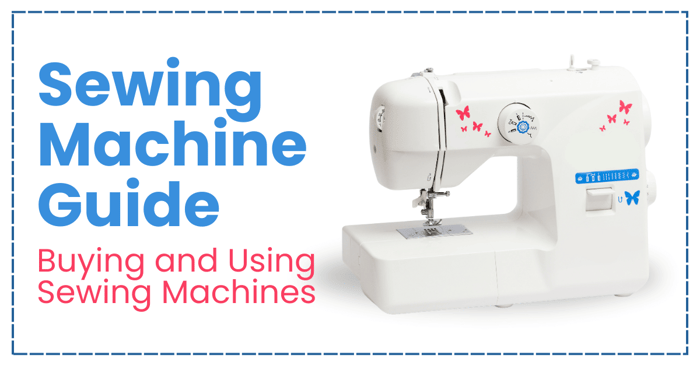
After years of teaching my daughter, testing multiple machines, and connecting with other sewing parents in our Facebook Group, I've learned what actually works. In this guide I'll share my tested top picks across different ages and budgets, plus exactly what features matter for kids learning to sew. If you have other questions about sewing machines in general, check out our comprehensive Sewing Machine Guide.
Quick Comparison: Best Sewing Machines for Kids
| Machine | Best For Age | Price | Key Feature | Our Rating |
|---|---|---|---|---|
| Janome Portable | 4–10 | ~$70–90 | Safety presser foot | ⭐⭐⭐⭐⭐ |
| Brother CS7000x | 8+ | ~$180–200 | 70 stitches, grows with them | ⭐⭐⭐⭐⭐ |
| Mini Sewing Machine | 5–8 | ~$35–40 | Ultra-affordable intro | ⭐⭐⭐ |
| Singer Simple | 7–12 | ~$100–130 | Reliable brand, 21 stitches | ⭐⭐⭐⭐ |
| Made by Me | 4–7 | ~$20–30 | Battery-powered, safe | ⭐⭐⭐ |
| Brother GX37 | 8+ | ~$160–185 | 37 stitches, portable | ⭐⭐⭐⭐½ |
Our #1 Pick: Janome Portable Sewing Machine
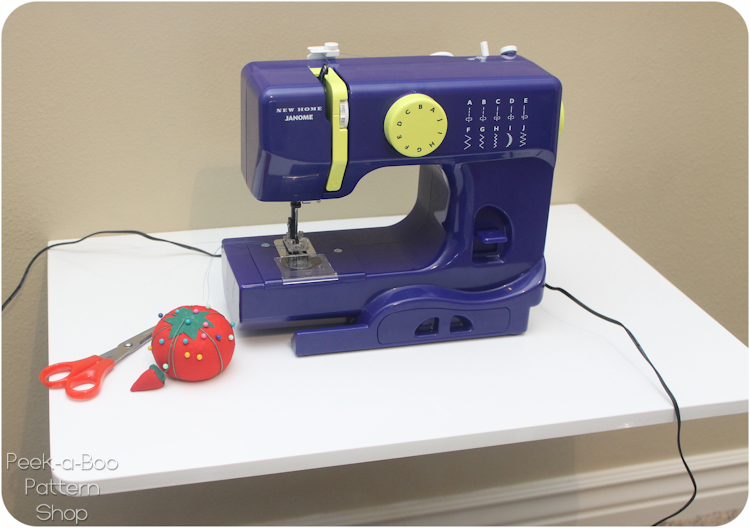
We ended up going with the Janome Portable Sewing Machine, which you can find on Amazon for around $70 in 4 different colors. *I am an Amazon affiliate but this review is 100% my own opinion.
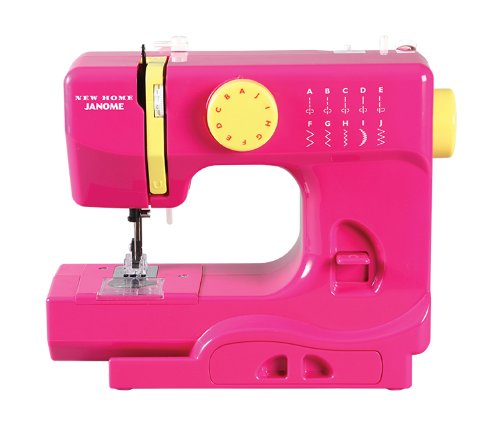
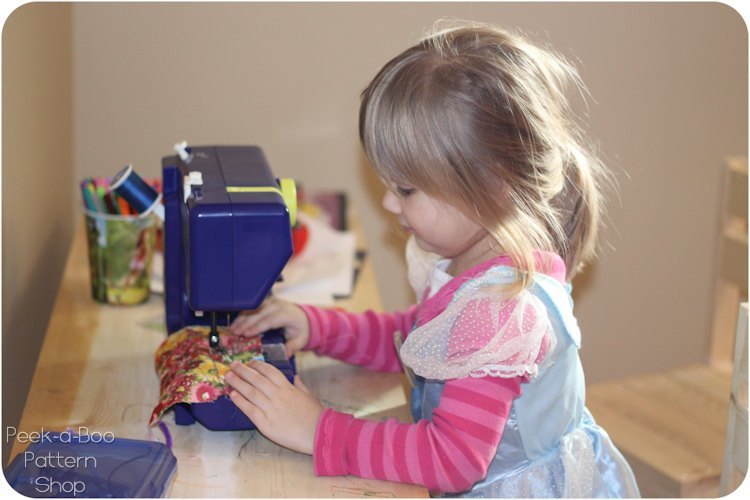
We've had this machine for a couple of months now and are loving it. It's a half-size machine — very small and lightweight at just 5 lbs. It's much less intimidating for a child than a full-size machine and easy to store when not in use. It runs noticeably slower than my machine, and I'm comfortable with my 4-year-old using it with limited supervision (I'm in the room but don't have to hover).
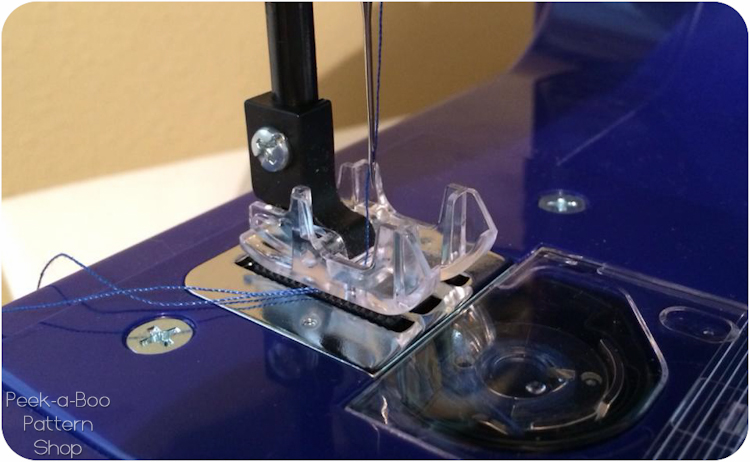
The Safety Feature That Sold Me
My favorite feature by far (which I didn't know about until it arrived) is this presser foot. The way it's shaped, it would be incredibly difficult to get your finger under the needle — which was my biggest safety concern. I'm not saying it's impossible, but it gives me a lot of peace of mind. We still teach sewing safety, but I'm glad to have this chunky presser foot blocking her fingers just in case.
Stitches and Controls
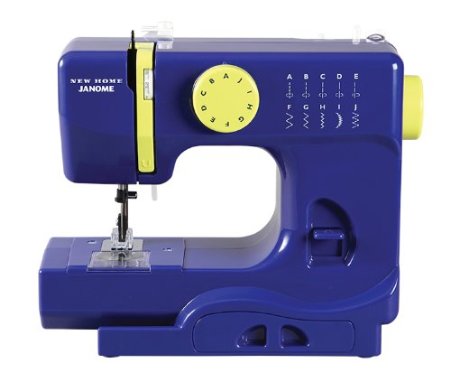
The machine includes 10 basic stitches including a straight stitch, basting stitch, and zigzag — plenty for a beginner. The easy-to-read dial is great for kids. My daughter can quickly switch between the letters and understand which stitch she's picking. No bells or whistles, but for a child it's perfect.
What Can It Actually Sew?
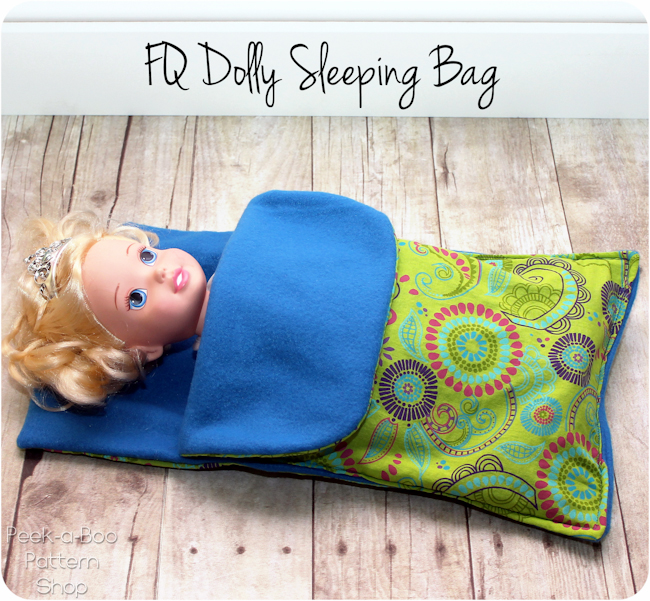
We've used this machine to sew through multiple layers of fabric (including fleece) and it did quite well. One of our early projects was a dolly sleeping bag — the machine handled a layer of cotton and a layer of fleece fine. When it came time to sew all the layers together it began to struggle a bit, but a child won't be sewing through that many layers very often.
The One Drawback
The only real drawback is no built-in light. My daughter does fine with a desk lamp, but a light would've been nice. I imagine if she continues sewing seriously we'll upgrade to a full-size machine when she's 9 or 10, but it'll be a while before she outgrows the functionality of this one.
Setting Up a Kids Sewing Station
Once I realized how much she loves to sew, I set up a sewing nook in my office with a drop-leaf table and a child-size folding chair. It's the perfect size for her to sew and just barely fits between my sewing desk and computer desk.
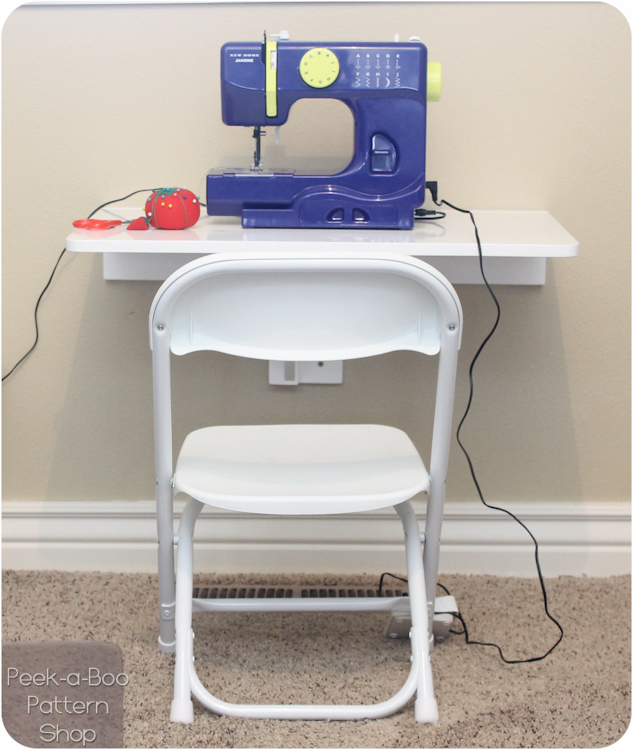
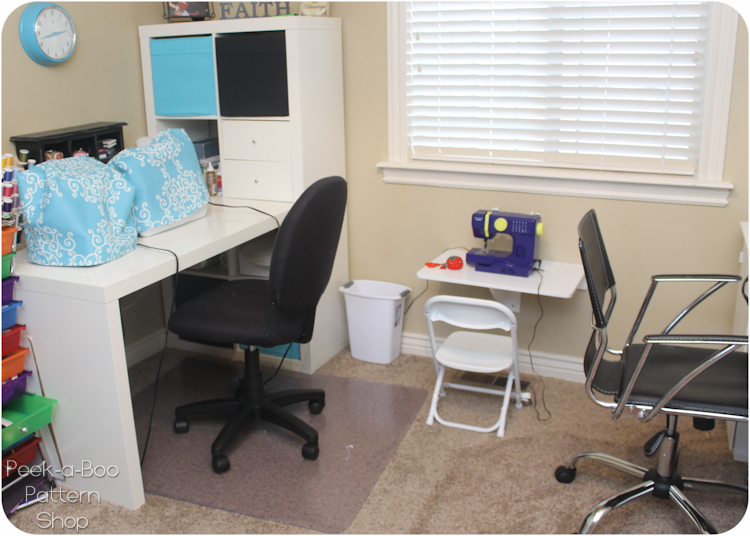
When she's done I put away her machine and fold the table down. The chair slips between my desk and the wall, and the table only sticks out 2.5 inches when folded — totally out of the way. I installed the table all on my own (9 months pregnant!) and I'm proud to say it's very close to level.
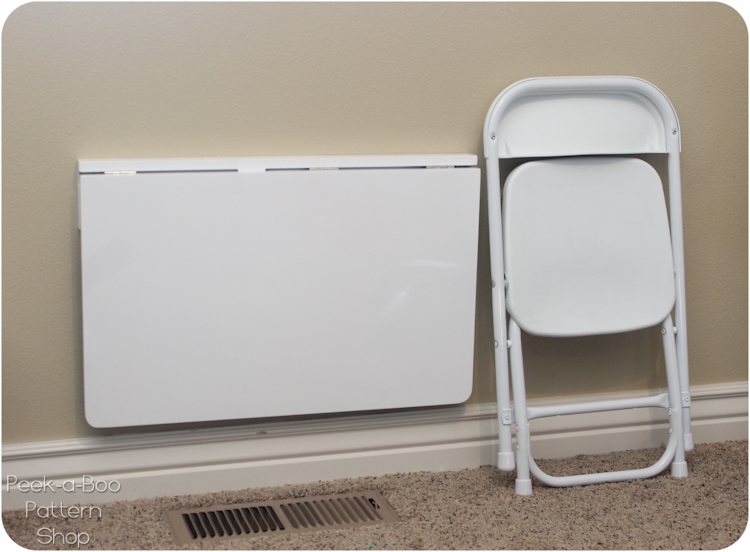
Now she has her own workspace and we're both loving it!
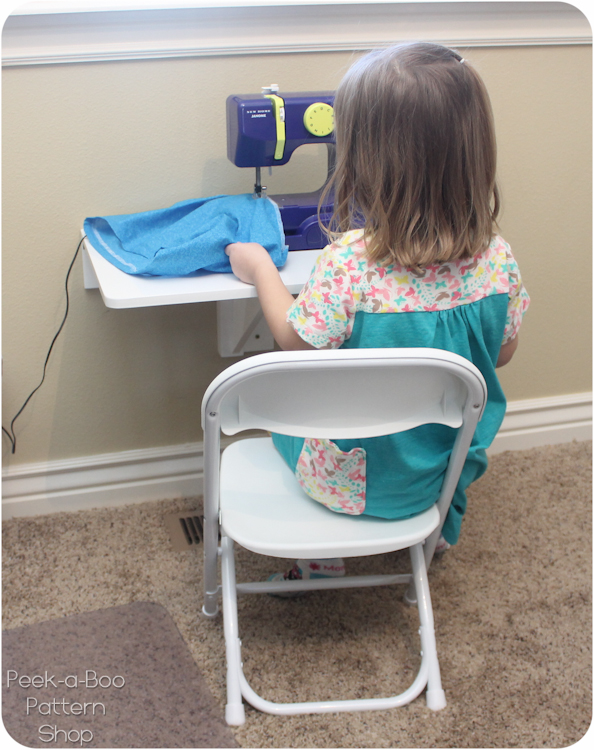
Janome Portable: The Verdict
PROS: ✅ Exceptional safety presser foot design ✅ Perfect size and weight for small children (5 lbs) ✅ Naturally slow speed — no speed control needed ✅ 10 easy-to-read stitches ✅ Handles 2–3 layers of medium-weight fabric ✅ Very affordable (~$70–90) ✅ Portable and easy to store
CONS: ❌ No built-in light (use a desk lamp) ❌ Struggles with very thick layers ❌ Kids may outgrow in 3–5 years if they sew frequently
Best For: Ages 4–10, first-time sewists, families on a budget, parents who prioritize safety
What You Can Make: Pillowcases, tote bags, simple skirts, pajama pants, doll clothes, stuffed animals, drawstring bags, basic quilts
Bottom Line: My #1 pick for children ages 4–8. The safety features, simplicity, and price point make it the best first sewing machine for kids. While they may eventually outgrow it, it teaches real sewing skills without frustration.
5 More Top Sewing Machines for Kids
1. Brother CS7000x Computerized Sewing Machine
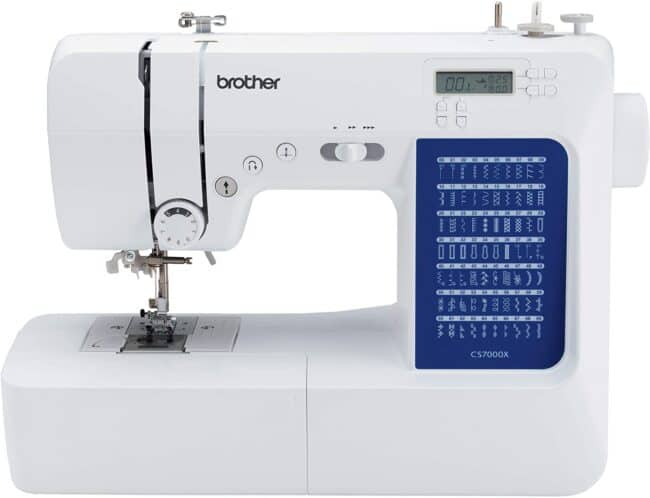
The Brother CS7000x isn't what you'd typically think of as a "kids" sewing machine, but it's one of the best beginner machines at any age — and its price point makes it a smart upgrade for an older child who's serious about sewing. It has 70 built-in stitches, an automatic needle threader, speed control, and an oversized extension table. It's also the #1 machine on our Beginner Sewing Machine list.
PROS: ✅ 70 stitches — grows from beginner to intermediate ✅ Automatic needle threader ✅ Built-in LED light ✅ Speed control for safety ✅ Extension table included ✅ Will last well into adulthood
CONS: ❌ Higher price point (~$180–200) ❌ More features may overwhelm very young children ❌ Heavier than kid-specific machines
Best For: Ages 8+, kids showing serious interest, families wanting one machine to last years, tweens/teens ready for garment construction
Bottom Line: Worth the investment if your child is serious about sewing or you want a machine that lasts from age 8 to 18 and beyond. The best "grow-with-you" option. Check current price on Amazon.
2. Mini Sewing Machine for Beginners
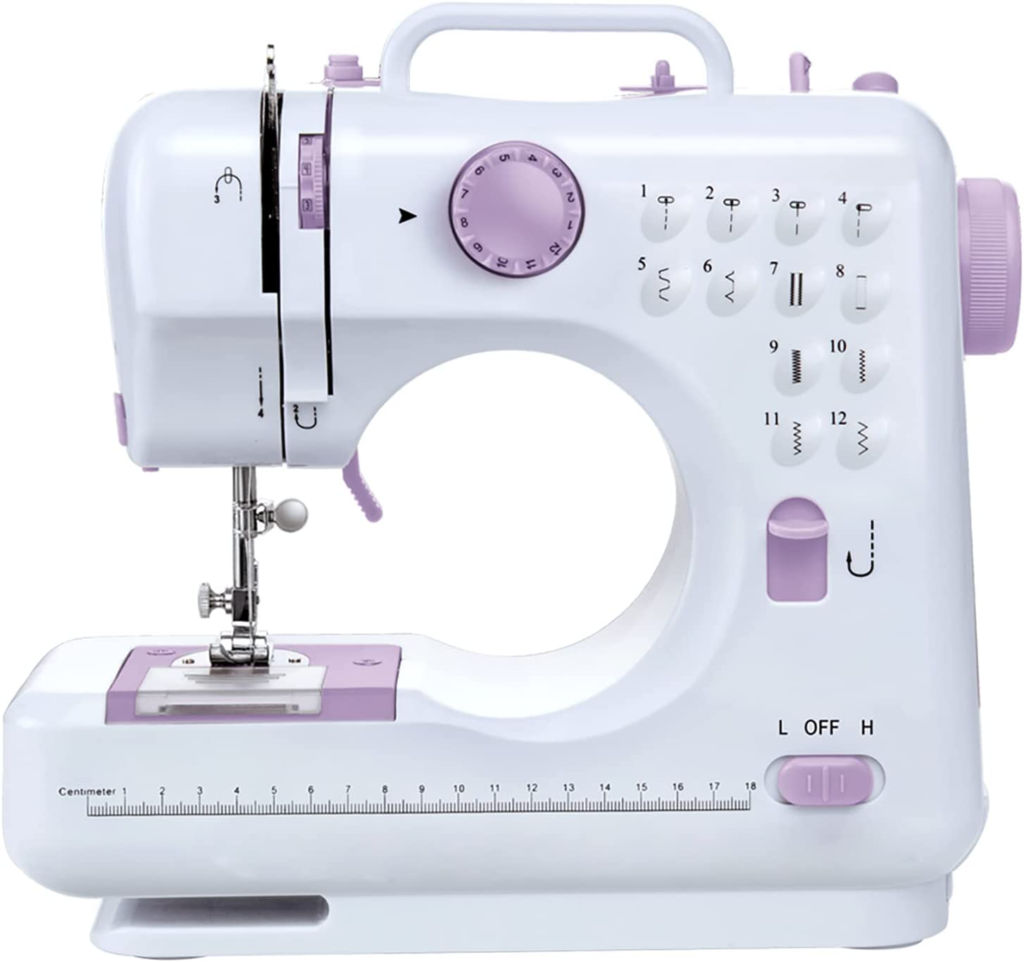
This mini machine is designed to teach a child the basics of what a sewing machine does — it includes bobbins, spools, a spare needle, a needle threader, presser feet, and 12 stitch patterns with a built-in thread cutter. It really is a beginner machine though, and won't handle many real sewing projects. Its main purpose is to introduce the parts and mechanics of sewing at a very low price point.
PROS: ✅ Very affordable (~$35–45) ✅ Includes starter accessories ✅ Lightweight and portable ✅ 12 stitch patterns
CONS: ❌ Limited project capability ❌ Less durable than higher-priced options ❌ Best for learning basics, not real production
Best For: Ages 5–8, testing interest before a larger investment, simple first projects, tight budgets
Bottom Line: A reasonable entry point at a low price. Great for testing whether your child will stick with sewing before you invest more. Plan to upgrade if they continue.
3. Singer Simple Sewing Machine
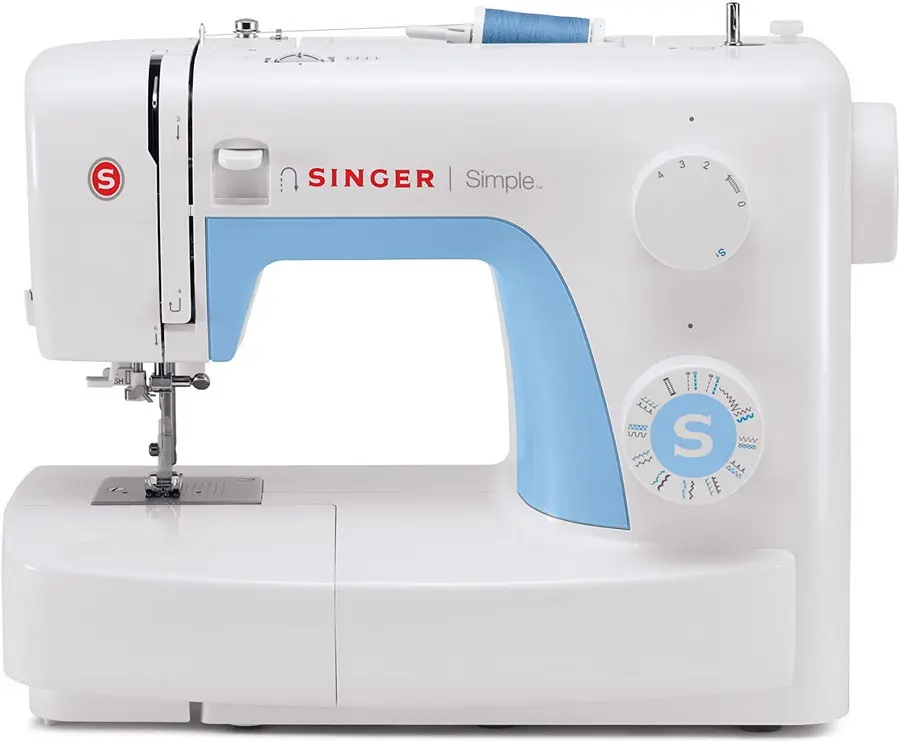
The Singer Simple is a solid beginner machine that works for both children and adults. You'll be able to take on far more projects than a kid-specific machine allows. It has 21 built-in stitches, a built-in light, a free arm for sewing sleeves, and a maximum speed of 750 stitches per minute. Check current price.
PROS: ✅ Trusted Singer brand reliability ✅ 21 stitches for variety ✅ Built-in light ✅ Free arm for sleeves and cuffs ✅ Good middle-ground price (~$100–130)
CONS: ❌ Manual threading (no automatic threader) ❌ May run fast for very young children ❌ Less "grow-with-you" capability than the Brother CS7000x
Best For: Ages 7–12, kids comfortable with basic sewing, families wanting a reliable brand name
Bottom Line: A solid middle ground — more capable than toy machines, more affordable than premium beginner machines. Singer quality at a reasonable price.
4. Made by Me My Very Own Sewing Machine
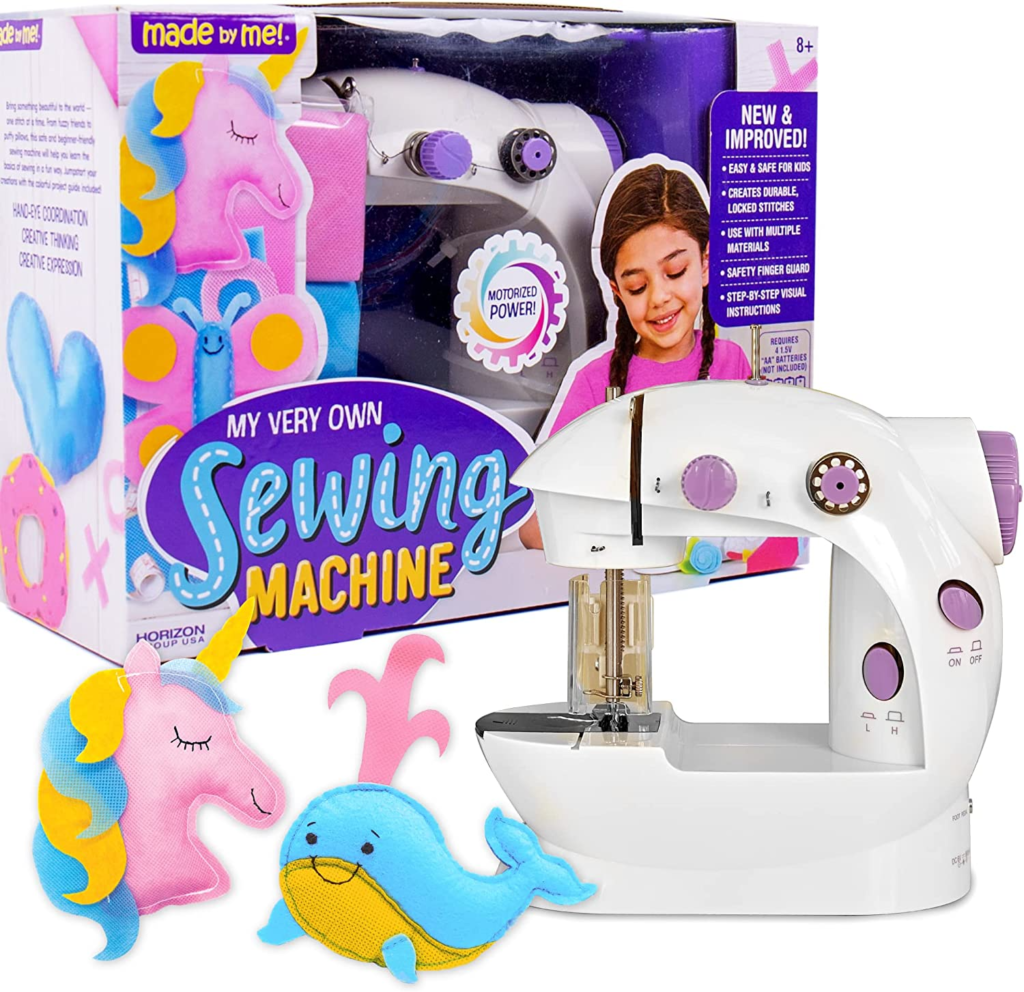
This is a true "kids sewing machine." The Made by Me is a battery-operated, two-speed machine designed to teach children the absolute basics. You won't be sewing garments on it, but it does include 10 guided projects to help kids learn basic straight stitches. At just over $20, it's a low-risk way to spark a child's interest in sewing before committing to a real machine.
PROS: ✅ Ultra-affordable (~$20–30) ✅ Battery-operated — safer, no cords ✅ Includes 10 project ideas ✅ Very approachable for young kids
CONS: ❌ Very limited sewing capabilities ❌ Battery costs add up over time ❌ More toy than tool ❌ Kids outgrow it quickly
Best For: Ages 4–7, children showing initial curiosity, parents unsure if their child will stick with the hobby
Bottom Line: At ~$25, this is the lowest-risk way to introduce very young children to machine sewing. Perfect for testing interest — plan to upgrade to the Janome or Singer if they take to it.
5. Brother GX37
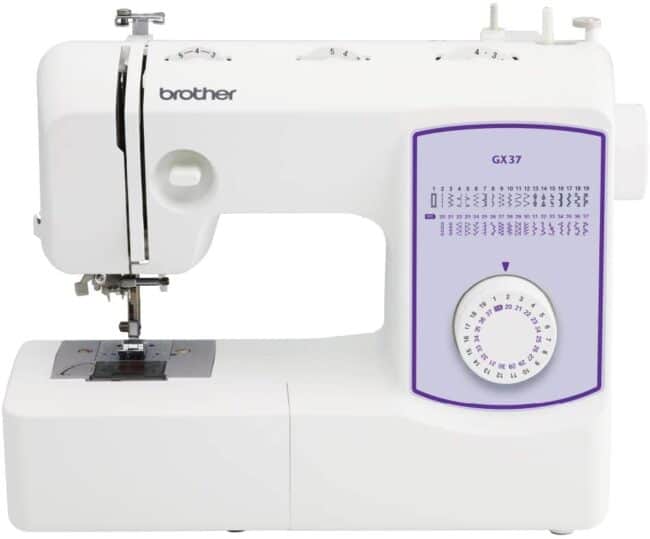
The Brother GX37 isn't made specifically for kids, but it's an excellent beginner machine for anyone. It has 37 stitches, an easy turn-dial selector, a built-in light, and a compact portable design. With over 17,000 reviews on Amazon, it's well-proven. It's small, lightweight, and easy for smaller hands to work with.
PROS: ✅ 37 stitches for variety ✅ Easy turn-dial stitch selection ✅ Built-in light ✅ 17,000+ positive Amazon reviews ✅ Lightweight and portable
CONS: ❌ Manual threading ❌ Controls may be complex for very young children ❌ Heavier than kid-specific machines
Best For: Ages 8+, kids ready for variety, families wanting reliable Brother quality, multiple family members sharing one machine
Bottom Line: Excellent middle ground between basic and premium. The 17,000+ reviews prove it's well-loved. Great for kids ages 8+ who are serious about sewing. Check current price on Amazon.
Buying Guide: What to Look for in the Best Sewing Machine for Kids
Recommendations by Age
Ages 4–6: Safety First — At this age, supervision is essential. Look for machines that are naturally slow, have protective presser feet (like the Janome), and won't overwhelm tiny hands. Stick to 6–10 basic stitches. Start with simple projects like beginner patterns and doll accessories. Best pick: Janome Portable ($70–90)
Ages 7–10: Building Skills — Kids at this age can handle more independence and are ready for real projects. They can follow simple sewing patterns and work for 30–60 minutes at a stretch. Look for 15–25 stitches, a free arm, and durable construction. Best picks: Singer Simple ($100–130), Brother GX37 ($160–185)
Ages 11+: Serious Sewists — Tweens and teens showing genuine interest are ready for a machine they won't outgrow. Look for 30+ stitches, automatic needle threader, speed control, and the ability to handle thicker fabrics for projects like hoodies and jackets. Best pick: Brother CS7000x ($180–200)
Essential Safety Features
Sewing machines can cause injury when not used properly, so children — especially young children — should always be supervised and taught to use the machine according to the manual. Here are the safety features that matter most:
Protective presser foot: Wide, chunky designs make it nearly impossible for small fingers to reach the needle. The Janome Portable's foot is the best example.
Speed control: Either naturally slow machines or adjustable speed settings prevent dangerous fast stitching. The Brother CS7000x has a slider for this.
Stable construction: Machines that don't wobble or slide during use are safer. Avoid anything under 3 lbs.
No exposed moving parts: Make sure the bobbin winder and other mechanisms are safely housed.
Budget Tiers
Under $50: Battery-operated or very basic machines. Good for testing interest, but limited capabilities. (Made by Me ~$25, Mini Machine ~$40)
$70–$150: The sweet spot. Real machines with safety features, durability, and room to grow. (Janome $70–90, Singer Simple $100–130)
$150–$250: Investment machines kids can use into adulthood. Eliminates the need to upgrade later. (Brother GX37 $160–185, Brother CS7000x $180–200)
Must-Have vs. Skip Features
Must-Have: Free arm (essential for sewing sleeves, cuffs, and pant legs), reverse stitch (kids need to learn backstitching from day one), simple stitch selector (a clear dial or buttons they can read), 10–25 stitches (enough variety without overwhelming them), and adjustable tension for working with different fabric types.
Nice-to-Have (not essential): Built-in light (use a lamp instead), automatic needle threader (manual threading is good practice), extension table (not needed for beginner projects), and multiple presser feet (stick with the all-purpose foot initially).
Skip these features: Overly computerized interfaces with touchscreens, professional-speed motors (too fast = dangerous for kids), heavy machines (20+ pounds) that kids can't move, and cheap all-plastic construction that won't last.
Final Thoughts
The best sewing machine for kids is one that teaches real skills without causing frustration. Skip the toy department chain-stitch machines and invest in a real beginner machine — even the Janome Portable at ~$70 will deliver a dramatically better experience than a $20 toy.
If your child is under 8, start with the Janome Portable. If they're 8+ and showing serious interest, go straight to the Brother CS7000x — they'll never outgrow it.
Ready to start sewing with your kids? Browse our beginner-friendly sewing patterns or check out patterns specifically designed for kids. And come join us in the Peek-a-Boo Pattern Shop Facebook Group to ask questions and show off what your little ones make. You can also follow us on Instagram or sign up for our email newsletter below.
Frequently Asked Questions
What age can a child start using a sewing machine?
Most children can start learning on a sewing machine around age 4–5 with close adult supervision and a machine designed for small hands. The key is choosing a naturally slow machine with safety features like the Janome Portable's protective presser foot. By ages 7–8, many kids can sew with moderate supervision, and by 10–12 they're often ready for a full-featured beginner machine.
Should I buy a toy sewing machine or a real one for my child?
Buy a real beginner machine, not a toy. The chain-stitch toy machines found in toy departments are frustrating to use, produce stitches that unravel easily, and often break quickly. Even a basic real machine like the Janome Portable (~$70) will teach actual sewing skills that transfer to any machine later. The only exception is the Made by Me (~$25) if you just want to test whether your child has any interest at all before spending more.
What safety features should a kids sewing machine have?
The most important safety features for a kids sewing machine are: a protective presser foot that makes it difficult for fingers to reach the needle, slow or adjustable speed so the machine doesn't run faster than a child can control, and stable construction so it doesn't wobble or slide during use. Speed control sliders (available on the Brother CS7000x) are especially helpful because they limit the maximum speed regardless of how hard a child presses the foot pedal.
Can a child sew through thick fabric on a kids sewing machine?
Most kid-friendly machines like the Janome Portable can handle 2–3 layers of medium-weight fabric (cotton, flannel, lightweight fleece) without any issues. They'll start to struggle with very thick stacks — like 4+ layers of fleece or denim. For kids who want to sew thicker projects like hoodies or jackets, you'll need a full-featured machine like the Brother CS7000x or Brother GX37.
What are good first sewing projects for kids?
Start with projects that use mostly straight lines: pillowcases, simple tote bags, drawstring bags, and doll blankets. Once your child is comfortable with straight stitching, move to slightly more complex projects like pajama pants, simple skirts, stuffed animals, and doll clothes. Peek-a-Boo Pattern Shop has a full collection of beginner-friendly patterns perfect for kids learning to sew.
How much should I spend on a sewing machine for a child?
The sweet spot for most families is $70–$130. At this price range you get a real machine with actual sewing capability, safety features, and enough durability to last several years. If your child is over 8 and very interested, spending $180–200 on a machine like the Brother CS7000x is a smart investment since they won't outgrow it. Spending under $50 is only worth it for testing initial interest — those machines have very limited capability for real projects.
Do kids need a special sewing machine or can they use mine?
Kids can use an adult sewing machine with close supervision, but there are good reasons to get them their own. Adult machines tend to be faster, heavier, and more complex than what a child needs. A smaller, slower machine builds confidence and reduces the risk of accidents. It also means your child can sew whenever they want without taking over your machine, and you don't have to worry about them accidentally changing your settings or tension.
What kind of fabric should kids learn to sew with?
Start with medium-weight woven cotton — it's the easiest fabric to sew because it doesn't stretch, doesn't slip, and feeds evenly through the machine. Quilting cotton is ideal. Avoid slippery fabrics (satin, silk), very stretchy knits, or thick materials (denim, canvas) until your child has built up some confidence with basic stitching. Once they're comfortable, lightweight knit fabrics like cotton lycra are a great next step.